

The Geneva Conference 1954 - Some issues to be learned
Keywords:
Indochina; Geneva; Foreign affairs; French colonialism; Democratic Republic of VietnamAbstract
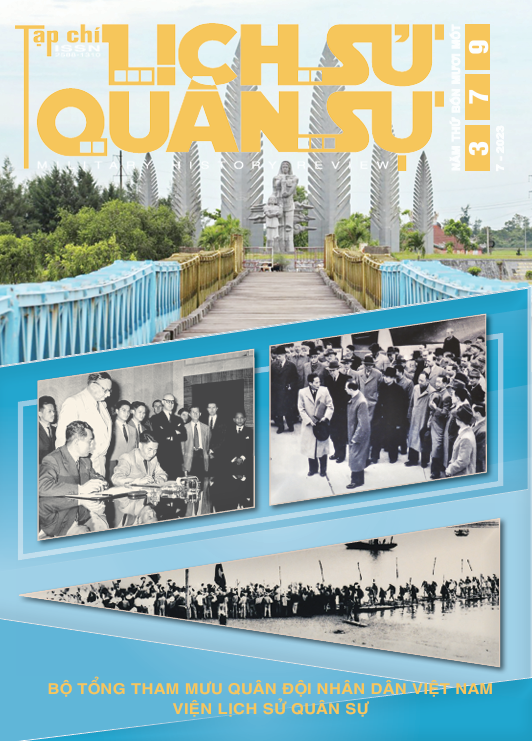
The Geneva Conference on the cessation of hostilities in Indochina was held on 8 May 1954, and passed through 31 sessions, including 8 plenary sessions and 23 meetings at the delegation level, along with many bilateral and multilateral meetings and contacts. On 21 July 1954, the Geneva Conference ended with the results of three agreements to cease hostilities in Vietnam, Laos and Cambodia. The parties (except the U.S) ratified the “Final Declaration” on the Agreement on Restoring Peace in Indochina. It is the result of the difficult and arduous struggle of the Vietnamese people under the leadership of the Party led by President Ho Chi Minh. At the same time, it was also a great victory of the fledgling Democratic Republic of Vietnam diplomacy, left valuable experiences for the present-day cause of national construction and defense.
References
1. Bộ Ngoại giao (1995), Những văn bản chính của Hội nghị Genève, Hà Nội.
2. Bộ Ngoại giao (2015), Hiệp định Genève - 50 năm nhìn lại, Nxb Chính trị quốc gia, Hà Nội.
3. Chiến thắng Điện Biên Phủ - Những vấn đề lịch sử (2014), tập 4, Nxb Đại học Quốc gia Thành phố Hồ Chí Minh, Thành phốHồ Chí Minh.
4. Đại tướng Võ Nguyên Giáp (2004), Điện Biên Phủ, Nxb Chính trị quốc gia, Hà Nội.
5. Đảng Cộng sản Việt Nam (2001), Văn kiện Đảng toàn tập, tập 15, Nxb Chính trị quốc gia, Hà Nội.
6. Đảng Cộng sản Việt Nam (2021), Văn kiện Đại hội đại biểu toàn quốc lần thứ XIII, tập 1, Nxb Chính trị quốc gia, Hà Nội.
7. Điện Biên Phủ - Hợp tuyển công trình khoa học (2005), Nxb Chính trị quốc gia, Hà Nội.
8. Hồ Chí Minh toàn tập (2011), tập 8, Nxb Chính trị quốc gia, Hà Nội.
9. Phạm Văn Đồng (1998), Những nhận thức cơ bản về tư tưởng Hồ Chí Minh, Nxb Chính trị quốc gia, Hà Nội.
Downloads
Published
Issue
Section
License
Copyright (c) 2023 Tạp chí CL&LS QPVN

This work is licensed under a Creative Commons Attribution-NonCommercial 4.0 International License.
Điều khoản giấy phép
-
Tác giả đồng ý áp dụng Giấy phép bản quyền mở (ví dụ: Creative Commons CC BY hoặc CC BY-NC) cho bài báo khi được công bố.
-
Xác nhận người đọc có quyền truy cập, chia sẻ, trích dẫn bài viết theo đúng điều kiện giấy phép mà Tạp chí đã lựa chọn.
-
Tác giả giữ quyền tác giả nhưng cấp cho Tạp chí quyền xuất bản đầu tiên (First Publication Rights).